
Product
25G DWDM SFP28 Fiber Optic Transceiver Module CH17~CH61 80km Duplex LC SMF DDM
25G DWDM SFP28 Duplex 80km- Model reference
- DWDM-SFP28-80
- Data rate
- 25G
- Wavelength
- CH17~CH61
- Reach
- 80KM
- Form factor
- DWDM SFP28
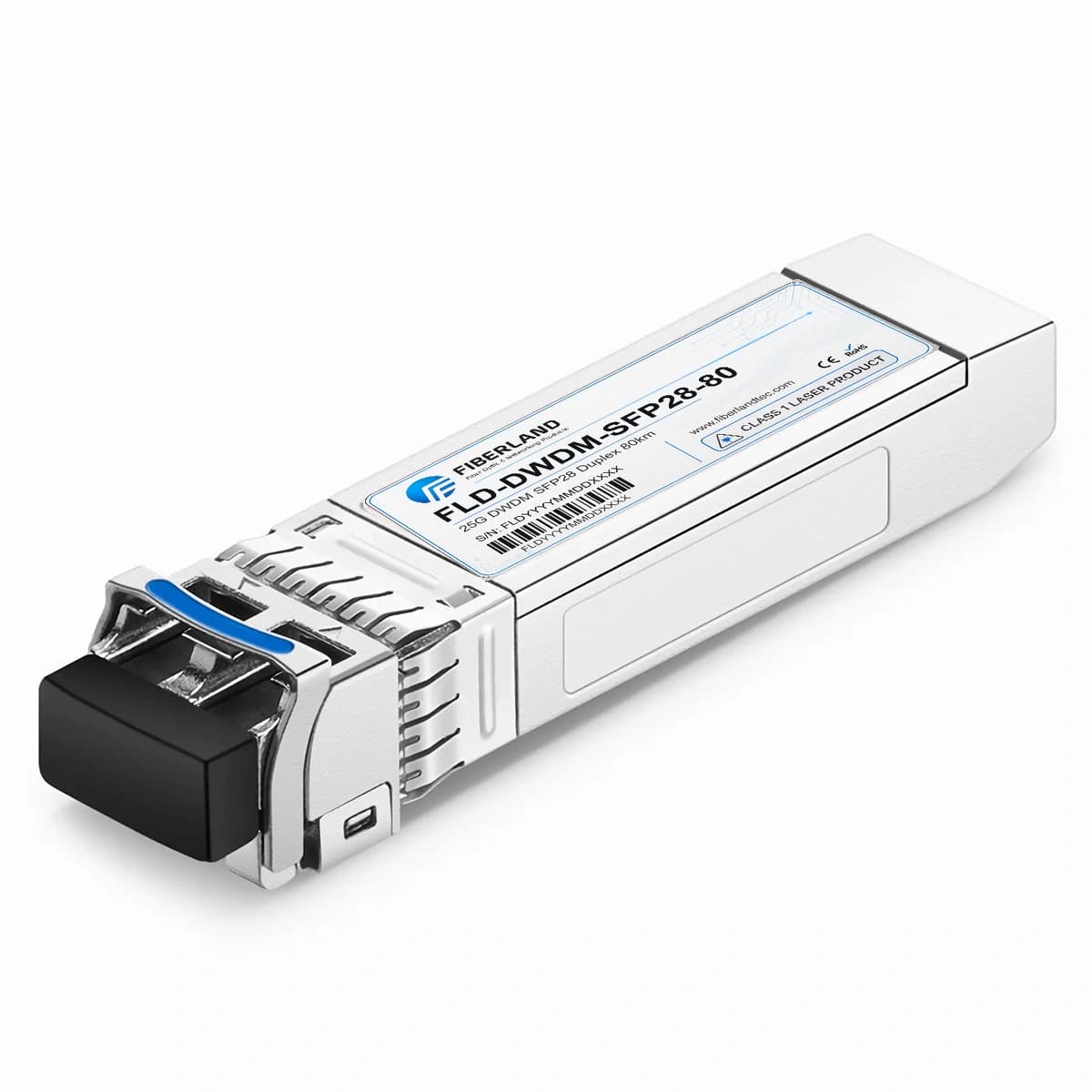
Key specifications
Compatibility matching
Compatible with a wide range of major network brands.
Send the host device brand, model and link requirements so we can match an appropriate option.Applications
Review where this product fits the link design.
Confirm the host port, fibre or cable path, distance and operating environment before selecting the final variant.
- Endpoint fitHost device, port role and remote-end interface
- Link fitRate, reach, wavelength, fibre and connector
- Project fitEnvironment, quantity and document requirements

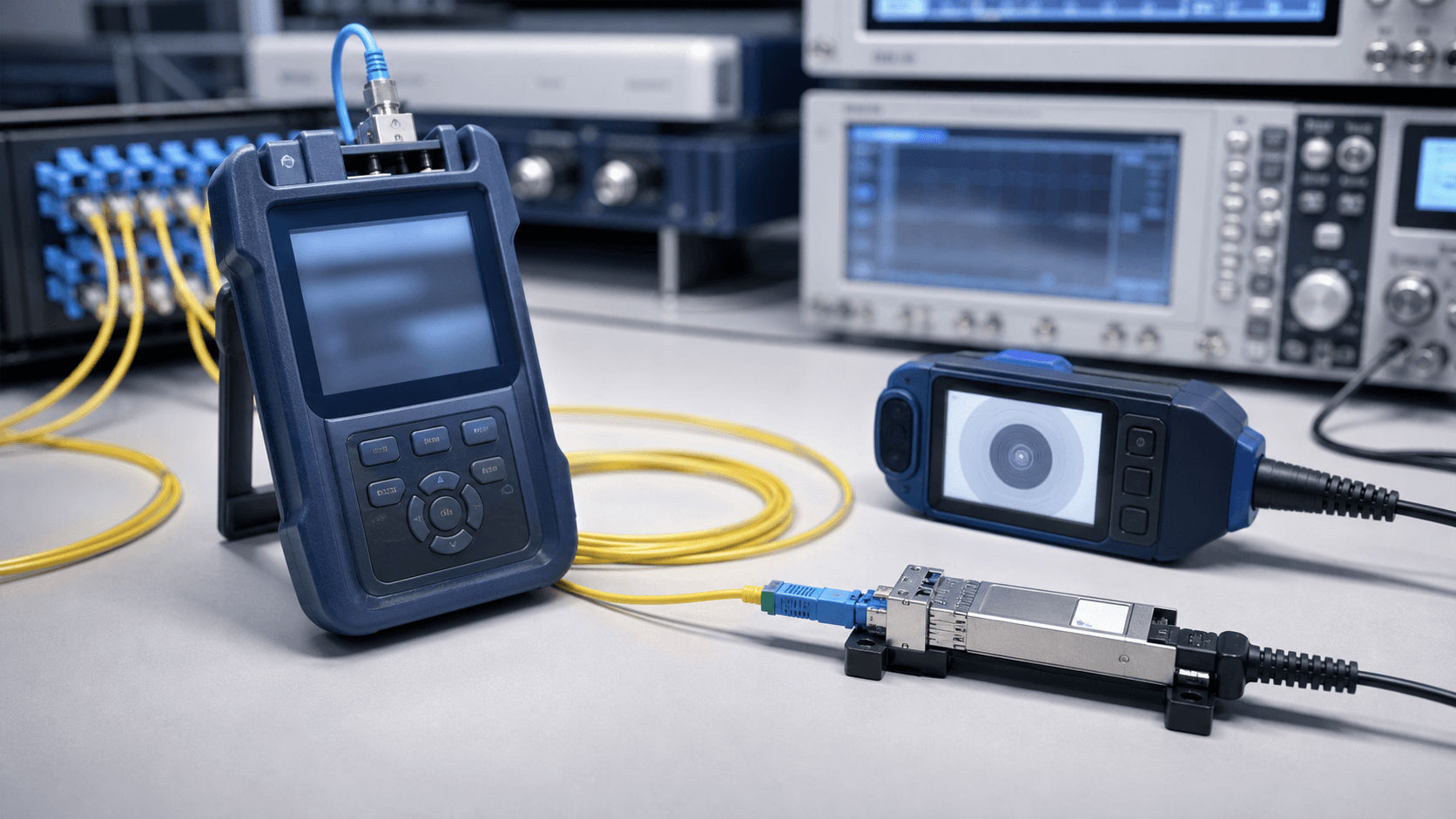
Testing evidence
Request evidence against the exact product scope.
Available evidence depends on the model and agreed review scope. Ask for the checks needed by engineering or procurement before approving a sample or rollout.
- Product identityModel, label, connector and wavelength details
- Host contextCoding or recognition evidence where applicable
- Output evidenceOptical, diagnostic or link information where available
Product datasheets
Review the document for the exact model.
Review the document for the exact model and reach before approving a sample or rollout.
Download DWDM-SFP28-80 specification (PDF)Related questions
Five answers for this product path.
Product selectionHow can I identify the correct form factor?
Check the device manual and the marking on the existing module or cable. SFP, SFP+, SFP28, QSFP+, QSFP28, QSFP-DD and OSFP are not interchangeable merely because their connectors look similar.
Browse productsCompatibility & codingWill DOM or DDM readings be available on the host?
They are available only when the module, interface and host software support the diagnostic functions and expose them correctly. Confirm the required readings as part of the device review.
Start a model reviewOptical link designDo both ends need the same wavelength?
Duplex links normally use matching interface wavelengths at both ends. BiDi and wavelength-division links use planned complementary or channel-specific wavelengths, so the exact link architecture matters.
Use the selection guideHigh-speed deploymentHow do I choose between parallel and duplex high-speed optics?
Compare the host-supported standards, installed fibre, connector, reach and migration plan. Parallel optics often use MPO/MTP; duplex solutions use LC but may have different optical and FEC requirements.
Plan a technical reviewDocuments & procurementHow do I make sure a document applies to my exact model?
Compare the model reference, interface, reach and variant with your product shortlist. If the document is not published or the revision is unclear, send the model and required document type through the document request form before using it for approval.
Request a document pack